UNESCO World Heritage
Hospicio Cabañas
The single best thing in Guadalajara. Orozco's revolutionary frescoes, 23 neoclassical courtyards, and the chapel dome that changes how you see Mexican art.
What You're Looking At
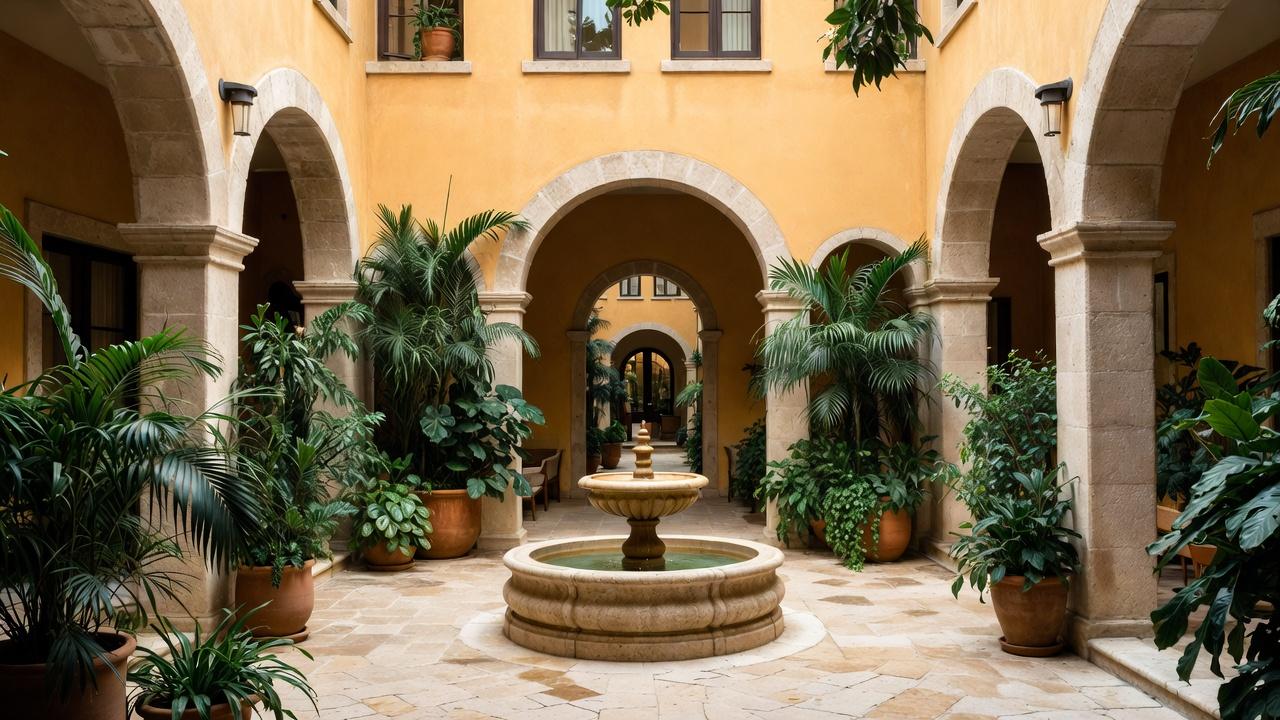
Completed in 1810 as an orphanage and hospital (construction began 1805), commissioned by Bishop Juan Cruz Ruiz de Cabañas, the Hospicio is one of the finest neoclassical buildings in the Americas — 23 interconnected courtyards, a chapel modeled on European hospital-churches, and a scale that communicates care and ambition in equal measure.
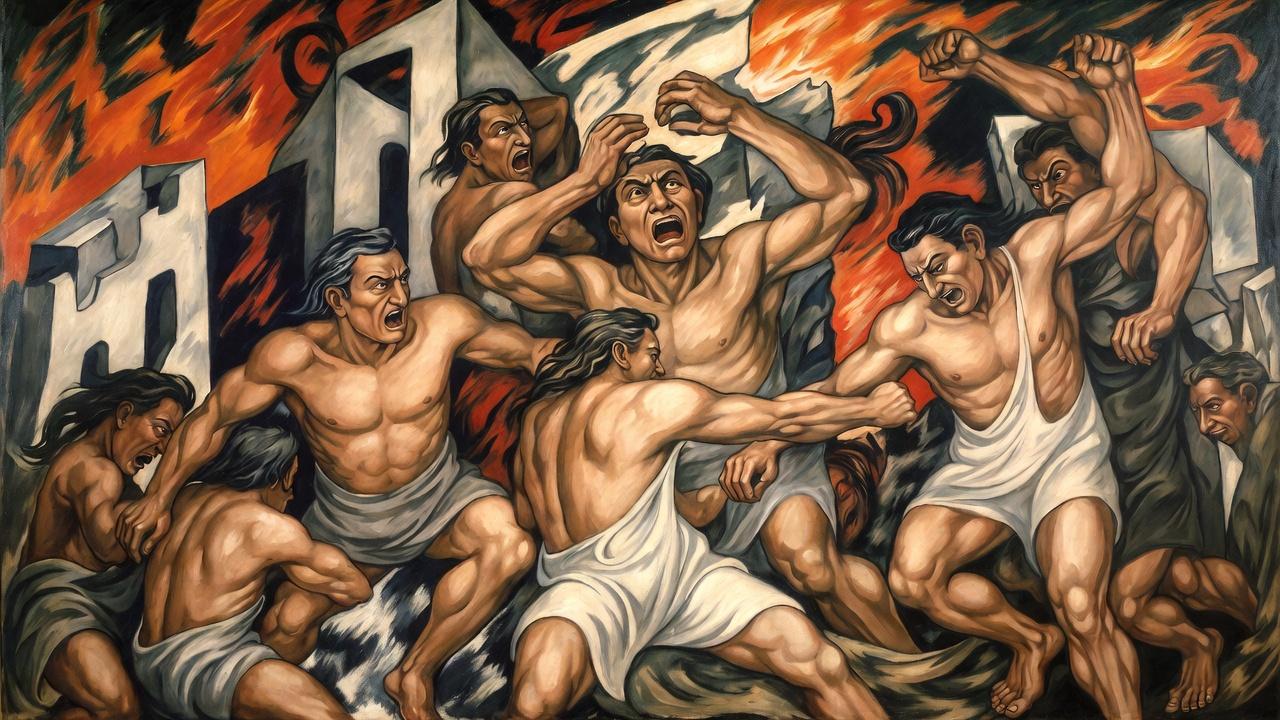
In 1938, José Clemente Orozco began painting the chapel frescoes, completing them in 1939 — creating 57 panels that are now considered among the most important murals in the Western Hemisphere. The building became a UNESCO World Heritage Site in 1997.
The Murals — What to Look For
The Chapel Dome — El Hombre de Fuego (Man of Fire)
The centerpiece. A human figure consumed by flames — not burning in agony but transforming through fire. The figure is genderless, raceless, and culturally unspecific. Orozco painted it as a universal symbol of human consciousness and its capacity for self-destruction and rebirth.
How to see it: Lie down on the wooden benches directly under the dome and look straight up. Everyone does this — the benches are there for exactly this purpose. The effect is vertigo-inducing: the figure appears to be falling toward you or rising away from you depending on your angle.
The Wall Frescoes — Conquest & Civilization
The walls surrounding the dome depict the Spanish conquest and the collision of indigenous and European civilizations. Look for:
The Mechanical Horse: A nightmarish armored figure representing the dehumanization of conquest — the Spanish conquistador reduced to a machine of violence.
The Cross and the Sword: Religion and military force depicted as intertwined — a searing critique of colonial evangelization that was radical for 1939.
The Grey Figures:Depersonalized masses in the lower registers — Orozco's comment on how both indigenous and colonial systems crush individual identity.
Beyond the Murals
The 23 courtyards are worth exploring even without the murals. The neoclassical architecture — arched colonnades, stone fountains, clean proportions — is peaceful and photogenic. The scale of the building (it housed 400+ orphans at its peak) is impressive on its own.
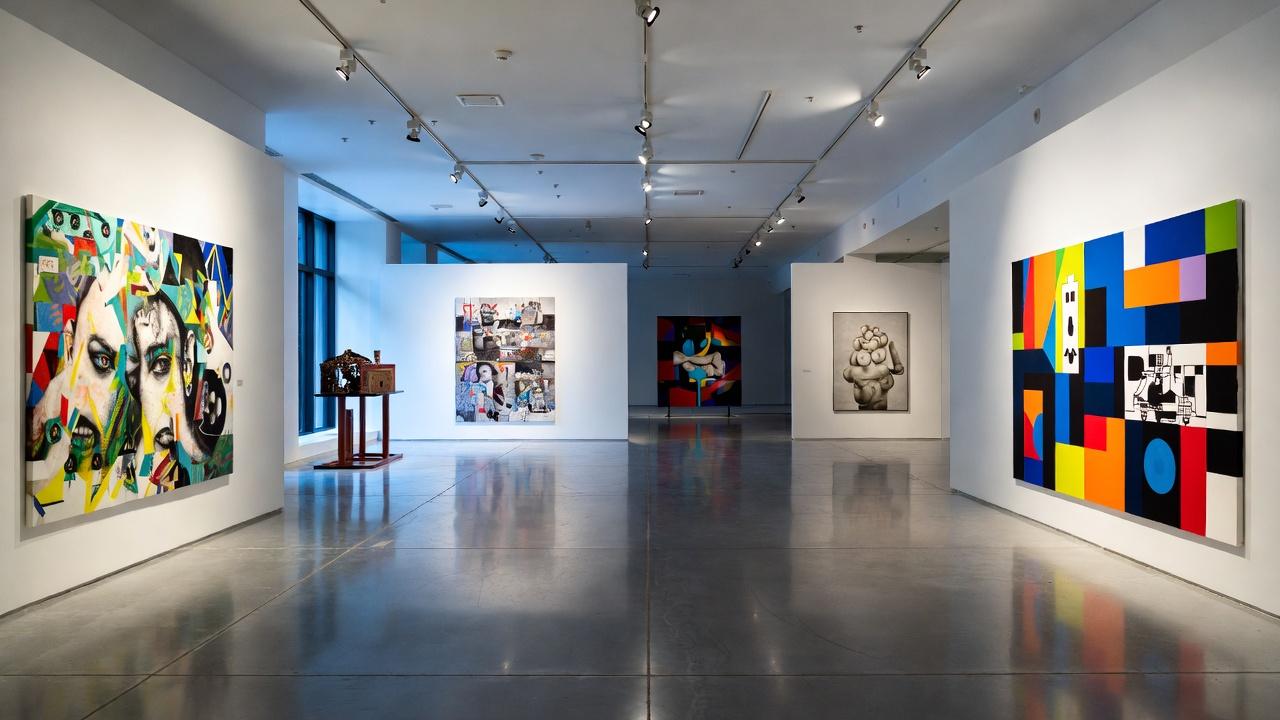
The outer galleries host rotating contemporary art exhibitions — these change every few months and range from local Jalisco artists to international installations. Check their website or Instagram for current shows. Some exhibitions are excellent; all are free with your entry ticket.
Visit Logistics
Frequently Asked Questions
It's the single best thing in Guadalajara and one of the most important art sites in the Americas. Yes, absolutely. Even people who 'don't like museums' are moved by the chapel frescoes.
45-60 minutes for the chapel and a courtyard walk. Add 20-30 minutes for the contemporary art galleries if something interesting is showing. Don't rush the chapel — spend at least 15 minutes lying on the benches looking up.
Yes. 50 MXN for context that transforms the experience. Without it, you'll see impressive paintings. With it, you'll understand what makes them some of the most important murals in the world.
Yes, including in the chapel. No flash. Tripods may be restricted during busy times. The best phone photos of Man of Fire are taken lying on the benches, pointed straight up at the dome.
The ground-floor courtyards are wheelchair accessible. The chapel is on the ground floor. Some upper galleries may have limited access — ask staff for assistance.
Read the 3-Day Itinerary
Our most popular guide — the best of Guadalajara in 3 days, with a Tequila day trip.
Read the guide →