Honest Assessment
Is Guadalajara Safe?
No sugarcoating, no fearmongering. A zone-by-zone breakdown of what's safe, what needs awareness, and what to actually worry about (not much).
The Bottom Line
The Honest Take
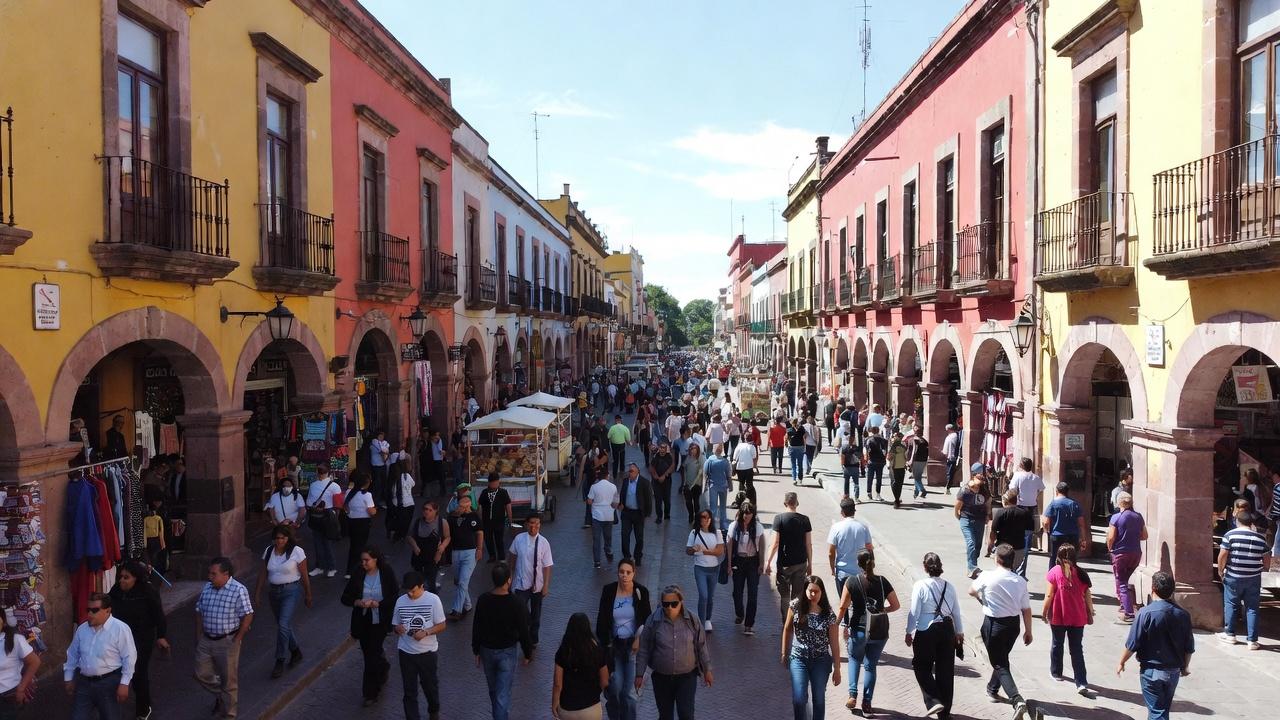
Guadalajara is safe for tourists using basic urban awareness. The tourist zones (Centro Histórico, Tlaquepaque, Colonia Americana, Chapultepec, Zapopan center) are patrolled, populated, and genuinely fine day and night. Millions of tourists visit annually without incident.
That said, Guadalajara is Mexico's second-largest city with real urban issues. Petty crime (phone snatching, pickpocketing in crowded markets) exists. Some peripheral areas have cartel-related violence that does not affect tourists but makes headlines. This guide tells you exactly where you're fine and where you need awareness.
Zone by Zone
Safety by Neighborhood
Every area you're likely to visit, rated honestly
Colonia Americana / Lafayette
SafeDaytime
Completely safe, well-populated
After Dark
Safe — bars and restaurants open until 2am
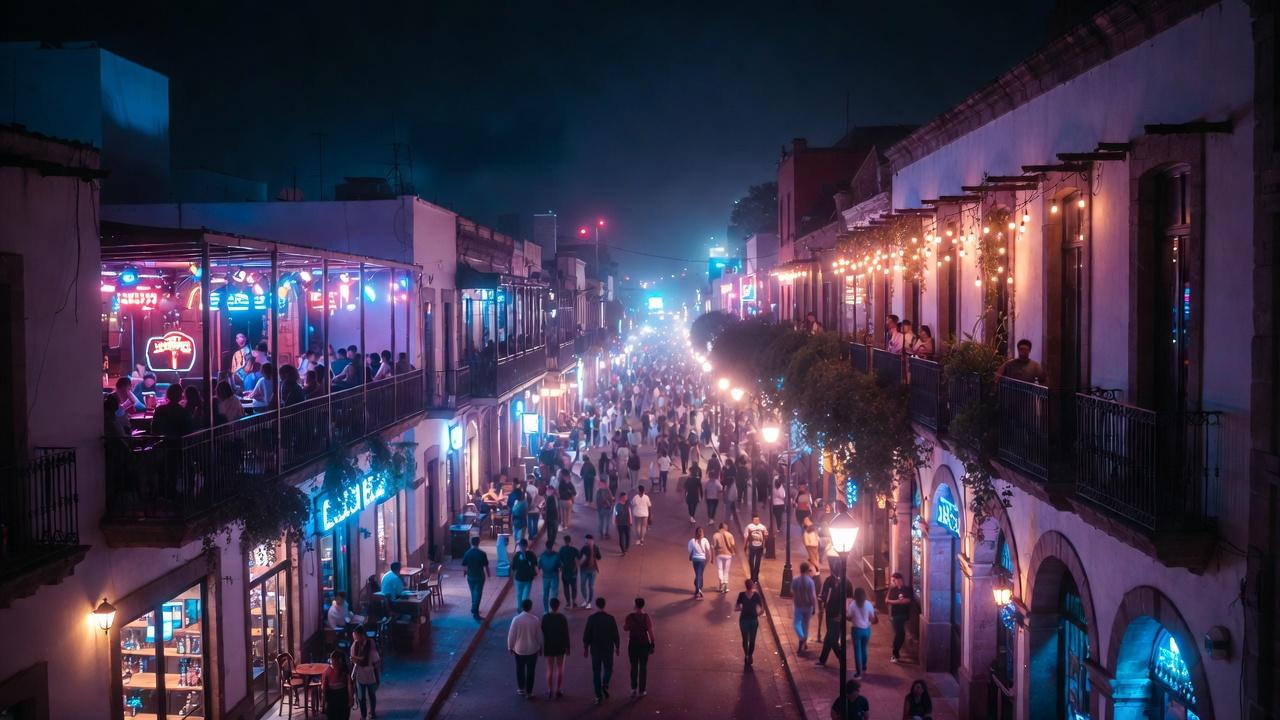
GDL's safest tourist neighborhood. Tree-lined streets, constant foot traffic, well-lit at night. The bar scene on Av. Chapultepec means there are always people around until late. Standard awareness applies: don't leave bags unattended at café tables.
Centro Histórico (North of Av. Juárez)
SafeDaytime
Completely safe, very busy
After Dark
Safe on main plazas, quieter side streets after 10pm
The cathedral area, Plaza de Armas, and Hospicio Cabañas zone are heavily policed and bustling until 9–10pm. After that, main plazas are still fine but side streets empty out. Walking between plazas on lit main roads = no issue. Cutting through dark residential blocks at midnight = unnecessary risk.
Centro Histórico (South of Av. Juárez / Mercado Area)
Mostly SafeDaytime
Safe but crowded — watch your phone
After Dark
Avoid walking after 9pm, Uber instead
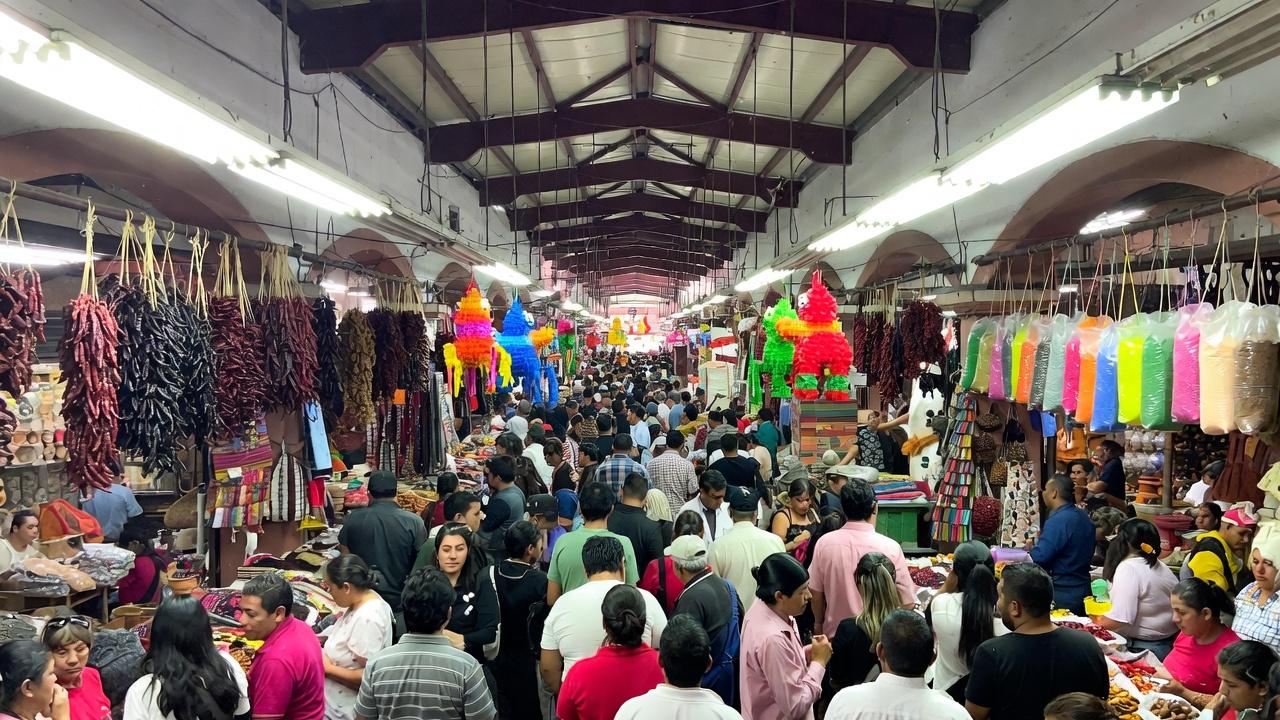
Mercado San Juan de Dios and the surrounding streets are busy commercial areas during the day. Pickpocketing risk is real in the market — keep phones in front pockets and bags zipped. Calzada Independencia south of the market empties out at night and should be avoided on foot. Always Uber from this area after dark.
Tlaquepaque
SafeDaytime
Very safe, tourist-oriented
After Dark
Safe until El Parián closes (~10pm), then quiet
The pedestrianized artisan streets are some of the safest in the metro area. Tourist police patrol regularly. After El Parián closes around 10pm, the area gets quiet but isn't dangerous — just empty. Uber back to your hotel rather than walking empty streets.
Chapultepec (Av. Chapultepec Corridor)
SafeDaytime
Completely safe
After Dark
Safe — the nightlife keeps streets populated
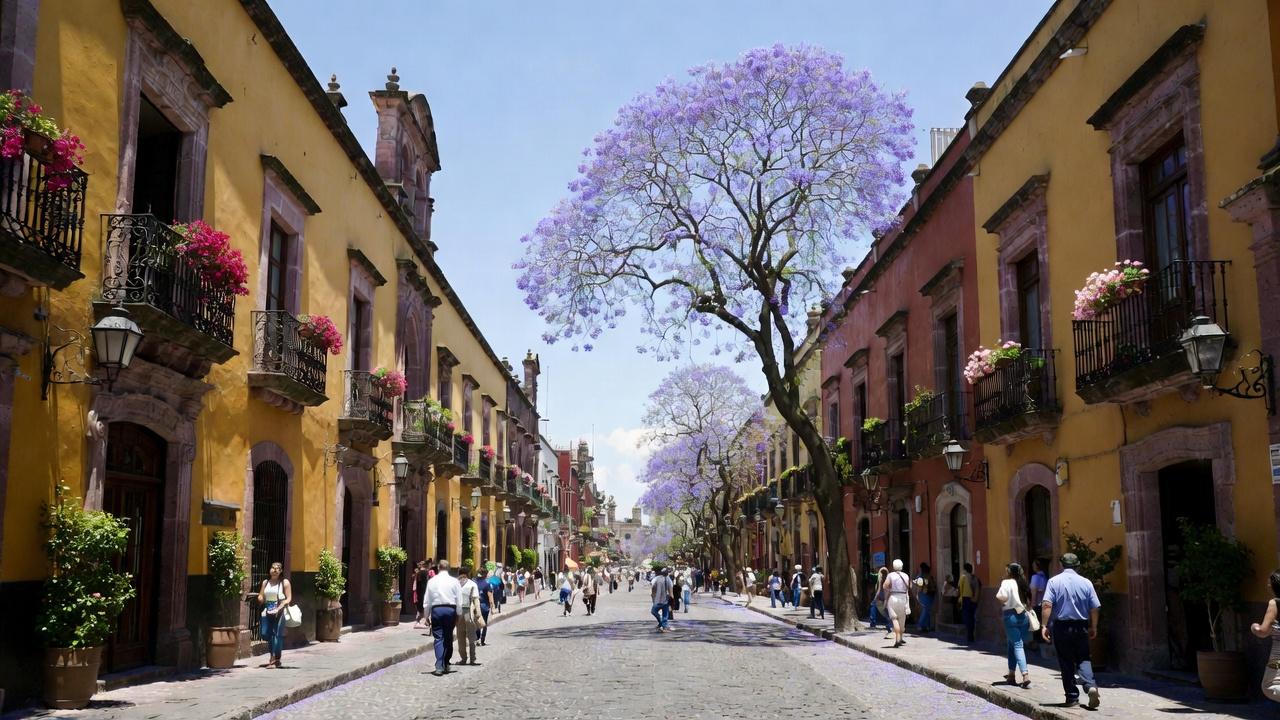
The bar corridor is well-lit, well-populated, and patrolled. The main safety concern here is drink-spiking (same as any nightlife zone worldwide) — watch your drink and don't accept drinks from strangers. Walking home from bars along the main avenue is fine.
Zapopan Centro
SafeDaytime
Safe, less crowded than Centro
After Dark
Safe near the Basilica, quieter than Centro
A quieter, more residential version of Centro. The area around the Basílica and MAZ museum is well-maintained and patrolled. Less foot traffic at night than Colonia Americana but not unsafe — just quieter.
Providencia / Zona Real
SafeDaytime
Very safe, residential
After Dark
Very safe but deserted sidewalks
The affluent suburban area. Virtually zero street crime. The only "risk" is that you'll Uber everywhere because nothing is walkable. Feels like any safe American suburb.
Peripheral / Industrial Areas
AvoidDaytime
No tourist reason to visit
After Dark
Avoid completely
Areas like Oblatos, parts of Tonalá outside the market zone, and the southern industrial belt have no tourist attractions and higher crime rates. You won't accidentally end up there unless you're driving to the wrong address. If your Uber navigation takes you through unfamiliar areas, stay in the car.
What to Actually Watch For
Scams & Petty Crime
Practical Safety Tips
Health & Food Safety
Frequently Asked Questions
Yes. The tourist areas (Centro, Colonia Americana, Chapultepec, Tlaquepaque, Zapopan center, Providencia) are safe with basic urban awareness. Millions of tourists visit annually. The cartel-related violence you see in headlines occurs in peripheral areas and does not target tourists.
Comparable. The tourist zones of both cities are safe. GDL feels smaller and more manageable, which some travelers find more comfortable. Mexico City has more polished tourist infrastructure but also more aggressive petty crime in some areas. Both are fine with common sense.
In Colonia Americana, Chapultepec, and the main plazas in Centro — yes. These areas have nightlife, restaurants, and foot traffic until midnight or later. Avoid walking in quiet residential or industrial areas after dark. When in doubt, Uber (35-65 MXN).
Yes. Uber is widely used and considered the safest transport option. Always verify the license plate matches the app, share your trip, and sit in the back seat. Didi is an equally good alternative. Both are much safer than hailing a street taxi.
Not as a tourist. Cartel activity exists in Jalisco but targets rival organizations and specific commercial interests, not tourists. You will not encounter cartel-related danger in tourist areas. The media coverage is real but wildly disproportionate to the risk faced by visitors.
Recommended but not mandatory. Mexican hospitals accept cash/card payment and costs are much lower than the US. A basic travel insurance policy ($30-50 for a week) covers medical emergencies, trip cancellation, and lost luggage. SafetyWing or World Nomads are popular options.
Keep Reading
Read the 3-Day Itinerary
Our most popular guide — the best of Guadalajara in 3 days, with a Tequila day trip.
Read the guide →