Neighborhood
Centro Histórico Guide
The colonial heart — cathedral, Orozco murals, Latin America's largest market, and the plazas where GDL's history lives. Walking route included.
Centro Histórico is where Guadalajara began — a grid of colonial buildings, interconnected plazas, and two of Mexico's most important murals. You can walk the entire core in a morning, but the markets and museums reward a slower pace.
The Landmarks
Catedral de Guadalajara
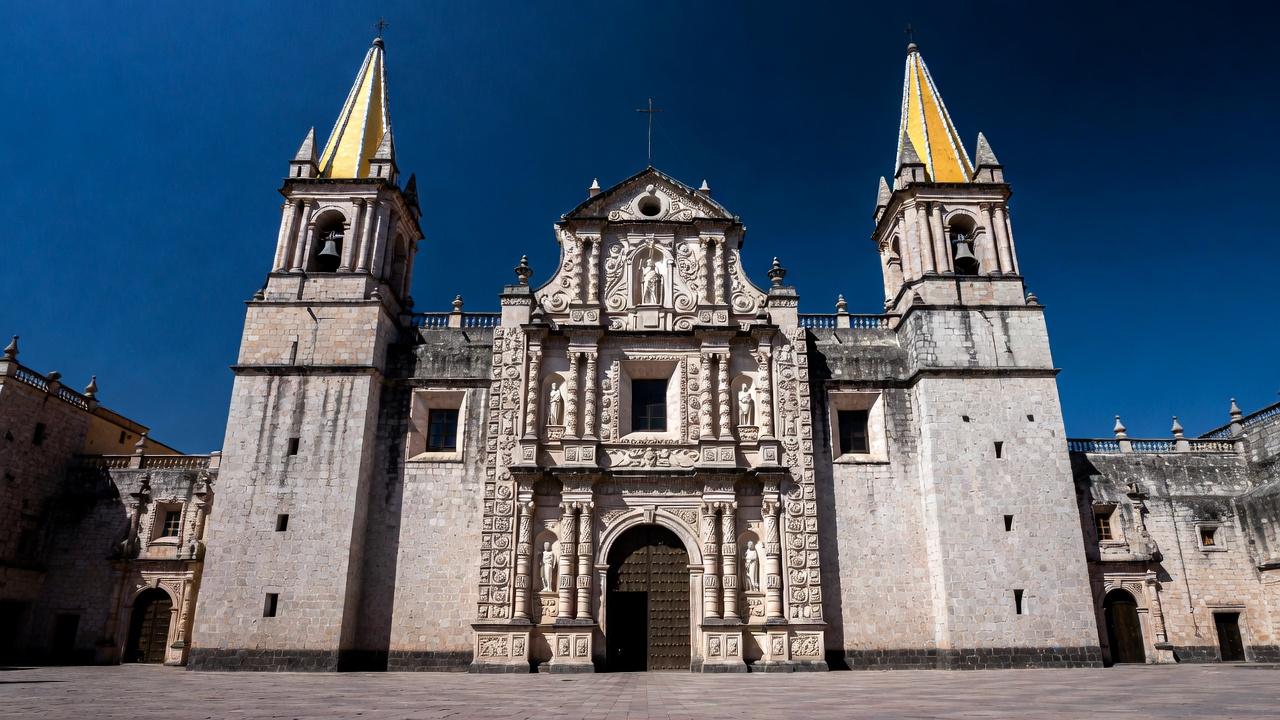
Must SeeThe twin-spired icon of GDL, consecrated 1618 (construction began 1561; the iconic neo-Gothic towers date from 1854, replacing originals destroyed by earthquake). The exterior is the city's most photographed image; the interior is a mix of Gothic vaulting, Baroque altars, and a painting attributed to Murillo (left nave). Go inside — it's far more impressive than the exterior suggests. Best photos: from Plaza de la Liberación looking west at golden hour.
Plaza de Armas & Rotonda
Must SeeTwo connected plazas flanking the cathedral. Plaza de Armas has the ornate Art Nouveau gazebo (bandstand) and shoeshine chairs that haven't changed in decades. The Rotonda de los Jaliscienses Ilustres honors the state's famous citizens with bronze statues. Walk through both — 10 minutes, zero cost, pure atmosphere.
Palacio de Gobierno
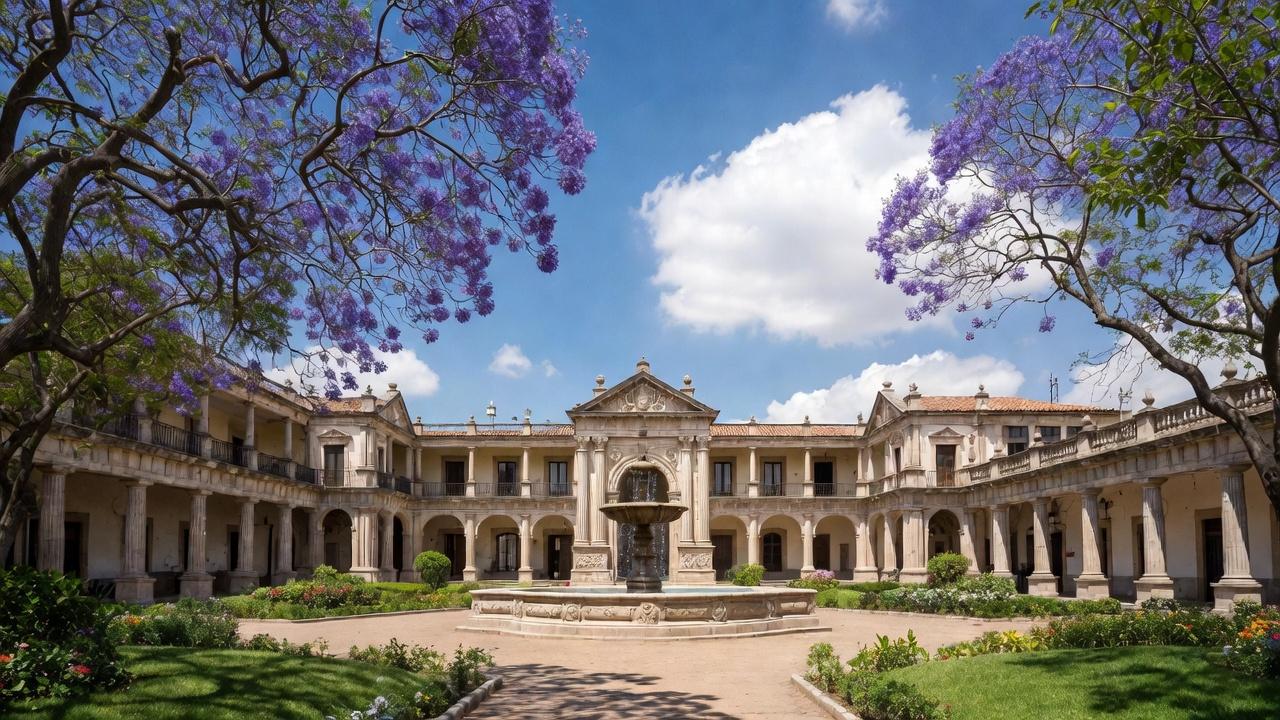
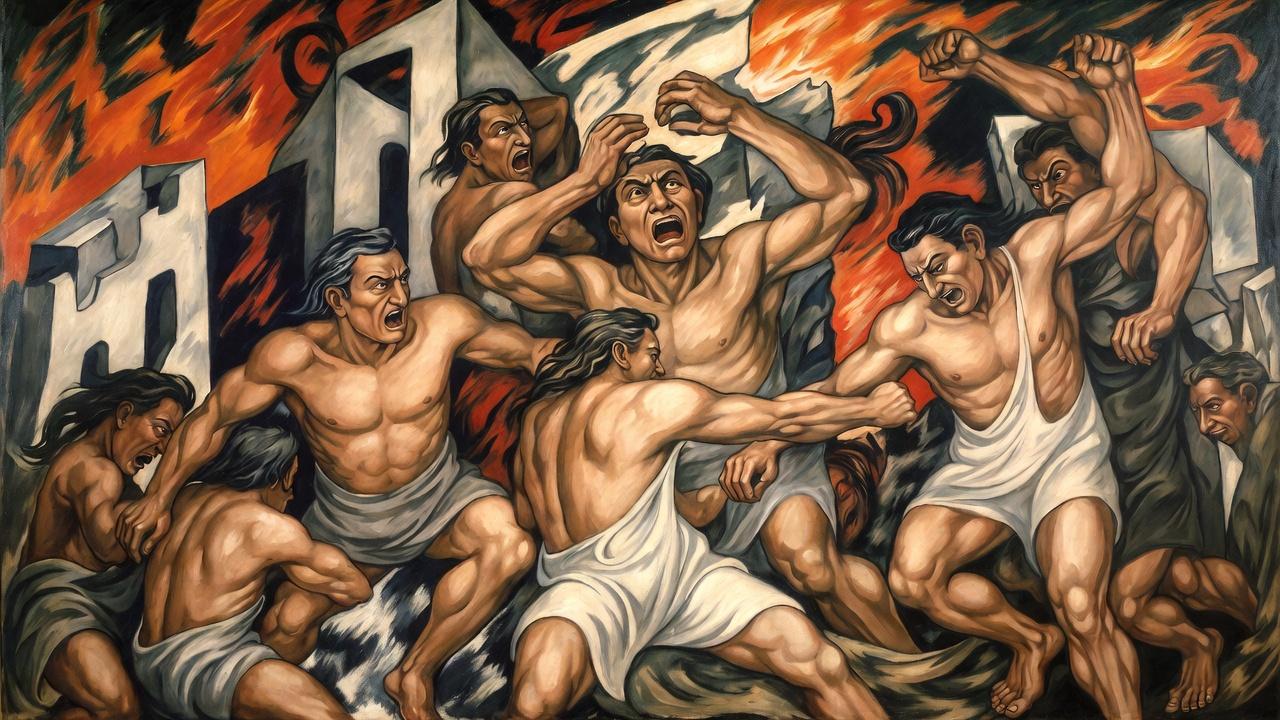
Must SeeThe main staircase has a massive Orozco mural — Hidalgo, depicting the father of Mexican independence with a blazing torch. More visceral and dramatic than Cabañas in some ways. Free, 10 minutes, and most tourists walk right past it. Don't.
Hospicio Cabañas
Must SeeThe crown jewel and the single best thing in Guadalajara — Orozco's chapel frescoes culminating in Man of Fire on the dome ceiling. Lie on the wooden benches and look up. See our full Hospicio Cabañas guide for mural-by-mural details and visit logistics.
Plaza Tapatía
Worth ItThe wide pedestrian corridor connecting the cathedral area to Hospicio Cabañas. Fountains, sculptures, and vendor stalls. Walk it as a connector between sights rather than a destination. The Fuente de la Inmolación (fire fountain) midway is worth a photo stop.
Mercado San Juan de Dios
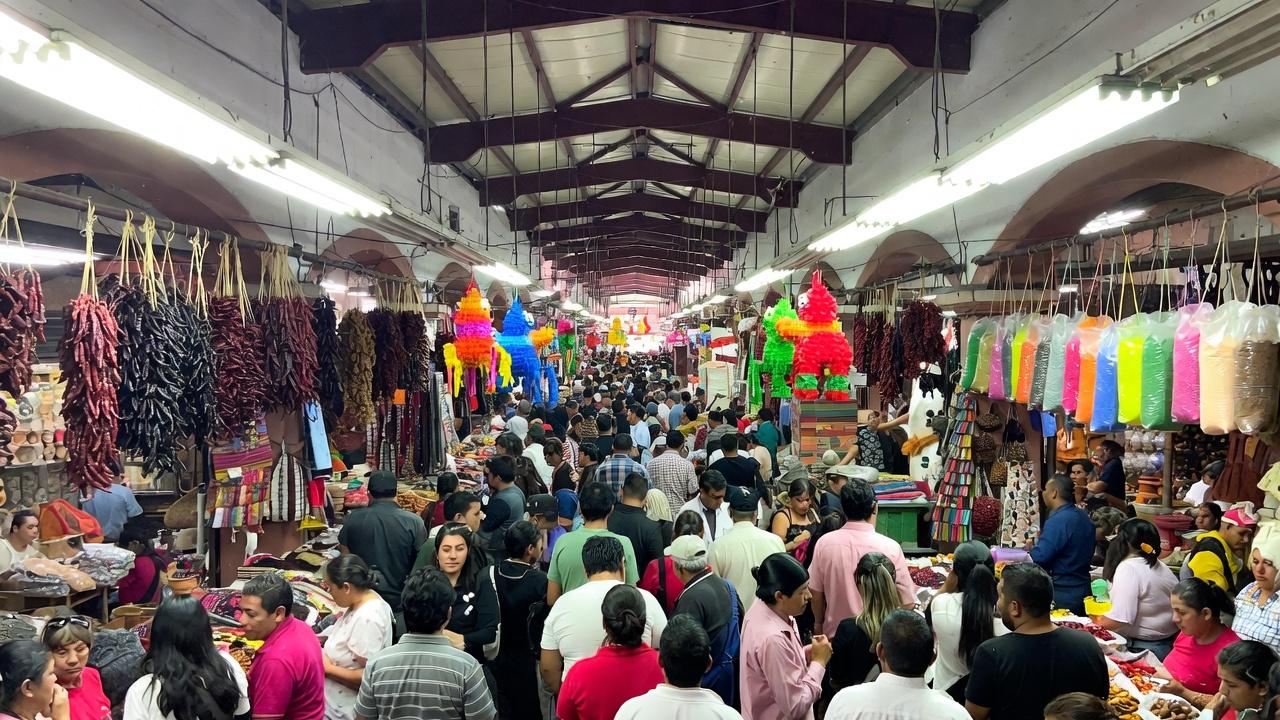
Must SeeLatin America's largest indoor market. Three floors: Ground floor = the real market (food stalls, dried chiles, leather, herbs). Second floor = tourist trinkets and bootleg electronics (skip). Third floor = food court with solid tortas ahogadas (55–70 MXN) and seafood cocktails (90–140 MXN). See our full market guide.
Mercado Corona
Worth ItSmaller, more central, and better for food than San Juan de Dios. The comida corrida stalls (75–100 MXN for a full lunch) are excellent. Fresh juice stands (20–30 MXN), dried chiles for gifts, and mole paste (80–150 MXN). Better for eating; San Juan is better for shopping.
Museo Regional de Guadalajara
OptionalInside a beautiful 18th-century seminary next to the cathedral. Covers Jalisco history from pre-Hispanic through colonial eras. The mammoth skeleton in the courtyard is unexpectedly impressive. Worth the visit if you have an extra hour or hit a free Sunday; skippable if you're tight on time.
Practical Info
Frequently Asked Questions
A focused morning (4-5 hours) covers all landmarks. Add 2-3 hours if you want to eat at both markets and browse slowly. It's Day 1 morning in our 3-day itinerary.
Yes during the day. Main plazas and streets are well-patrolled and busy. After 9pm, stick to lit main roads and use Uber for return trips. The area south of Mercado San Juan de Dios needs more awareness after dark.
Tuesday for free Hospicio Cabañas. Sunday for free Museo Regional. Avoid Saturday when markets are extremely crowded.
Yes — the entire walking route from the cathedral to Mercado San Juan de Dios is about 2km. Flat terrain, paved sidewalks. Add Mercado Corona for a 3.5km loop.
Read the 3-Day Itinerary
Our most popular guide — the best of Guadalajara in 3 days, with a Tequila day trip.
Read the guide →