Culture
Guadalajara Street Art Guide
From Orozco's revolutionary frescoes to today's urban murals — GDL has a muralism tradition deeper than most cities. Two walking routes and the walls worth finding.
The Muralism Tradition
Guadalajara's connection to mural art runs deeper than most cities. José Clemente Orozco — one of the "Big Three" Mexican muralists alongside Diego Rivera and David Alfaro Siqueiros — was born in Jalisco and painted his greatest works in GDL. His frescoes at Hospicio Cabañas and Palacio de Gobierno are some of the most powerful public art in the Americas.
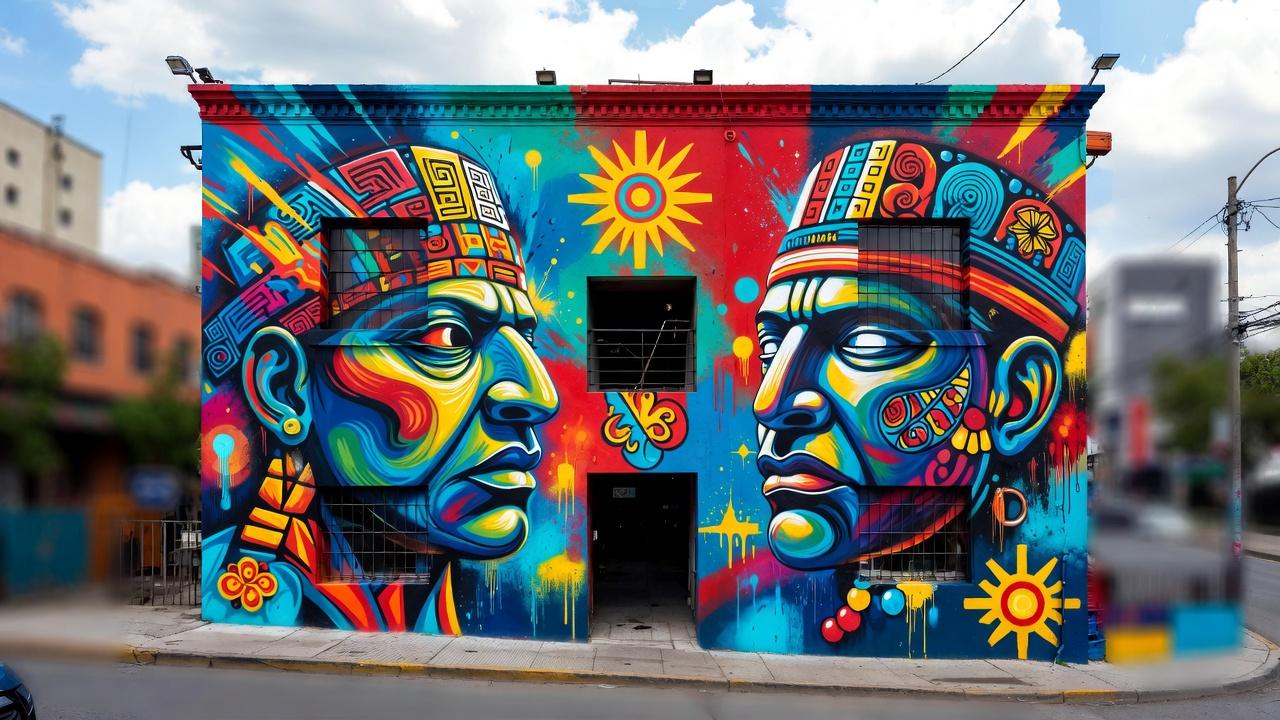
That tradition continues today. Government-sponsored mural programs, street art festivals, and independent urban artists have filled the city with contemporary murals — particularly in Barrio de Analco, along Av. Federalismo, and in Colonia Americana.
Route Note
The murals below are organized by neighborhood, not by walking route. If you want to see them in order, start in Centro (Hospicio Cabañas area), walk south to Analco, then Uber to Chapultepec for the contemporary pieces.
Classical Murals — Orozco's GDL
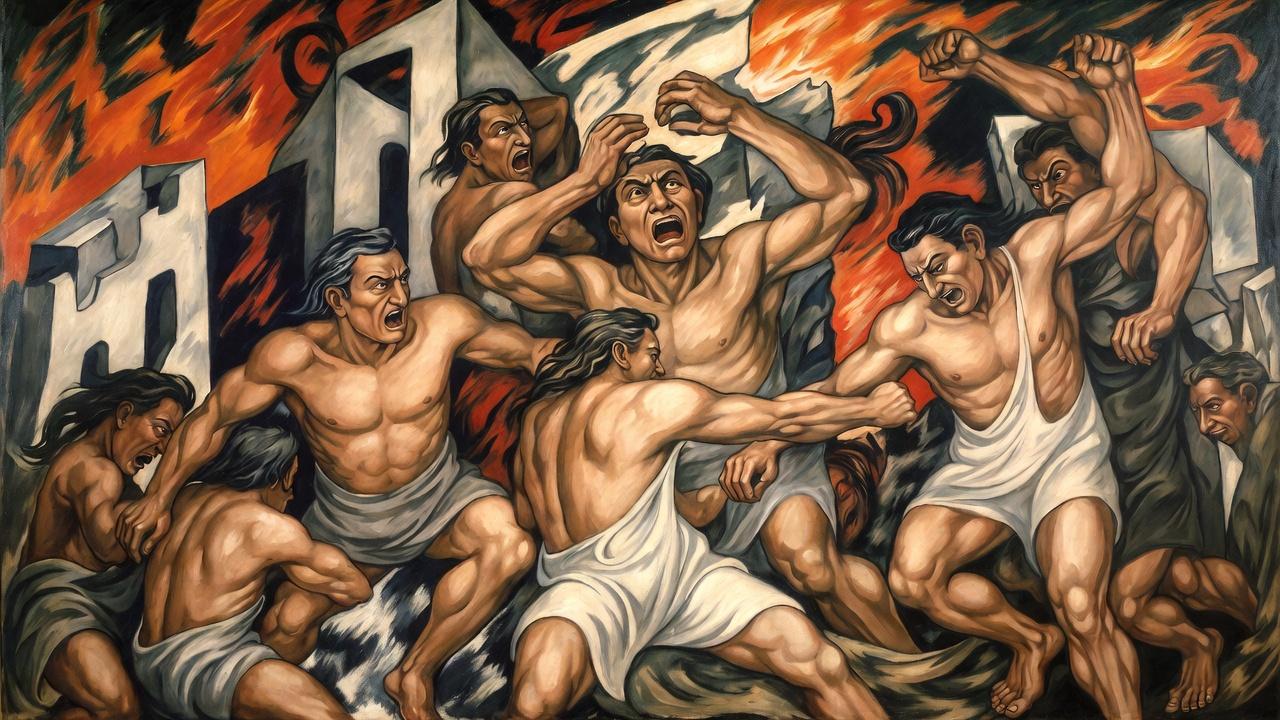
Hospicio Cabañas — Man of Fire
Must SeeOrozco's masterpiece. The chapel ceiling fresco — El Hombre de Fuego (Man of Fire) — depicts a human figure consumed by flames, symbolizing revolution and rebirth. The entire chapel is covered in frescoes exploring conquest, religion, and human suffering. Lie on the wooden benches and look up. See our full Cabañas guide.
Palacio de Gobierno — Hidalgo
Must SeeThe staircase mural depicting Miguel Hidalgo wielding a blazing torch is arguably more visceral than the Cabañas works. The fire, the chains, the writhing figures — it's Orozco at his most dramatic. Free entry, 10 minutes, and most tourists walk right past it.
Paraninfo de la Universidad
Worth ItOrozco's dome fresco in the University of Guadalajara's auditorium. Less visited than Cabañas but equally powerful — the theme is education as liberation. Free, open during university hours. Ask at the front desk for access.
Contemporary Street Art — Walking Routes
Route 1: Barrio de Analco (45 min)
GDL's oldest neighborhood (pre-dating the colonial center) has become the city's densest concentration of contemporary murals. Walk Calzada del Campesino from the Mercado San Juan de Dios area south — both sides are covered in large-scale murals ranging from photorealistic portraits to abstract designs.
Key walls: The multi-story mural at Campesino and Calle 5 de Febrero (indigenous woman portrait), the geometric abstracts near Parroquia de San Sebastián de Analco, and the political murals along Calzada Independencia.
Route 2: Av. Federalismo + Colonia Americana (60 min)
A more scattered route through safer, more tourist-friendly areas. Walk south on Av. Federalismo from the Rotonda — several building facades have commissioned murals from the city's annual street art festival. Then cut west into Colonia Americana where smaller murals and paste-ups appear on Calle Marsella, General San Martín, and Av. de la Paz.
The Colonia Americana art is more conceptual and design-influenced (think graphic illustration, typography, abstract geometry) compared to Analco's more political and figurative work.
Frequently Asked Questions
Yes — and it has more depth than most cities because of the Orozco connection. You get classical revolutionary frescoes AND contemporary urban murals in the same city. The combination is unique in Mexico.
No. Both walking routes are self-guided and easy to follow. The classical murals (Cabañas, Palacio) have on-site signage. For contemporary street art, just walk and discover. If you want context, some hostels offer free walking tours that include Analco murals.
Barrio de Analco is safe during daylight but it's a real neighborhood, not a tourist zone. Don't go after dark. Colonia Americana is safe anytime. Both routes are fine for solo travelers during the day.
2-3 hours covers both routes plus Cabañas. Add 30 minutes for Palacio de Gobierno and Paraninfo. A half-day is ideal if you're a mural enthusiast.
Read the 3-Day Itinerary
Our most popular guide — the best of Guadalajara in 3 days, with a Tequila day trip.
Read the guide →