Artisan Market
Tonalá Market Guide
Mexico's most important artisan tianguis — 4,000+ vendors, blown glass workshops, and prices 30–50% below Tlaquepaque. But only on Thursdays and Sundays.
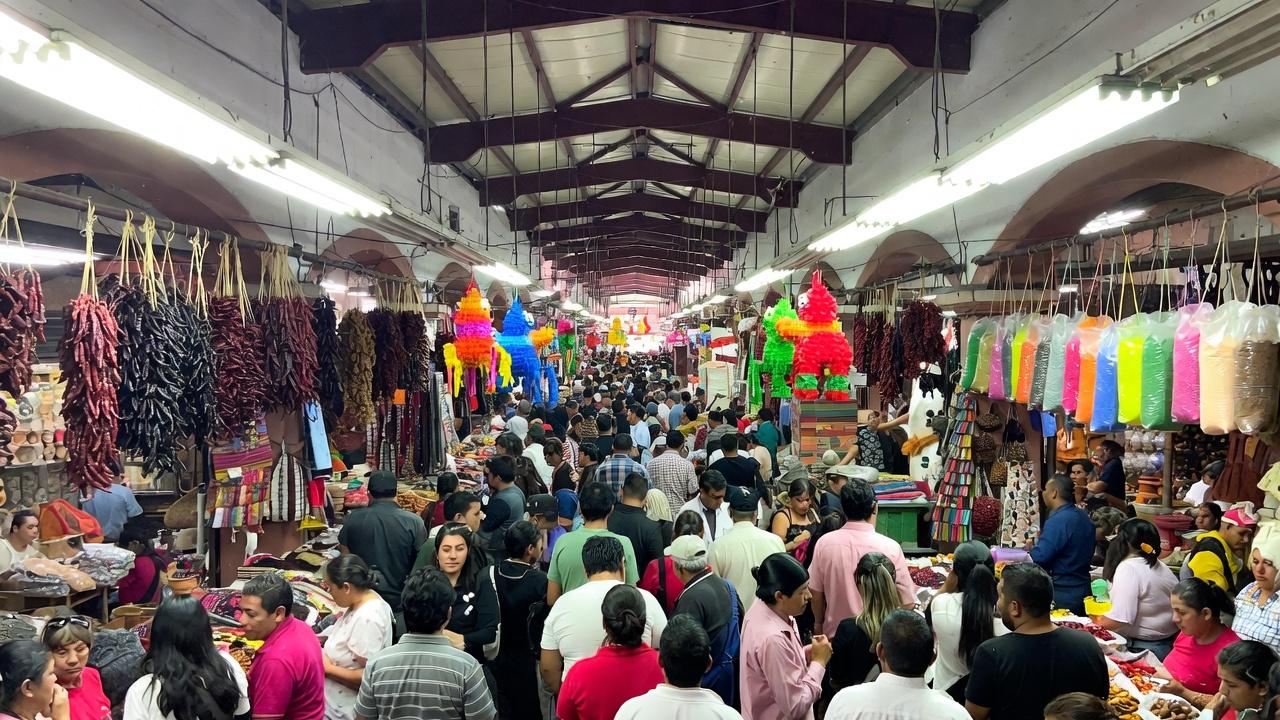
Tonalá's Thursday and Sunday tianguis(street market) is Mexico's largest open-air artisan market — over 4,000 vendors spreading across blocks of streets. Where Tlaquepaque is curated galleries with fixed prices, Tonalá is raw commerce: artisan families selling directly from workshops, prices are negotiable, and the sheer volume of crafts is overwhelming.
What to Buy — Price Guide
Blown Glass
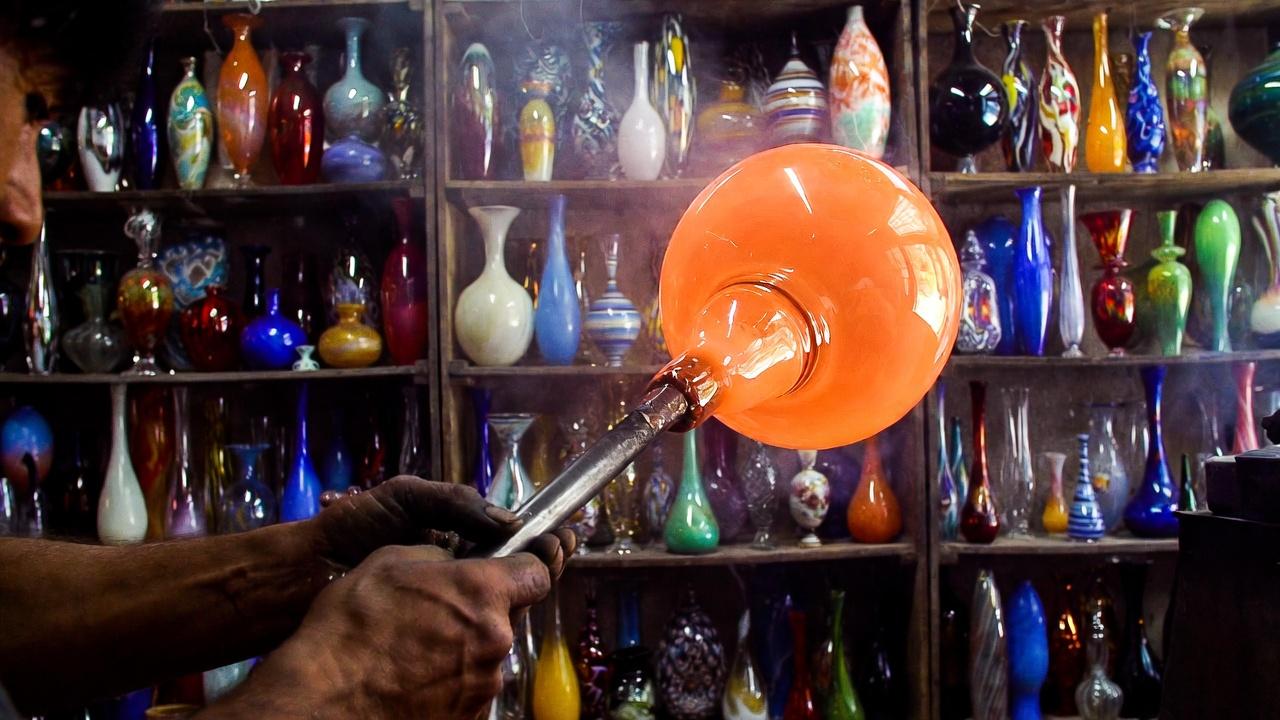
Must SeeTonalá's signature craft. Vases 300–800 MXN, drinking glasses (sets of 6) 200–500 MXN, ornaments 100–300 MXN. The workshop glass is consistently higher quality than random stall glass — look for workshops behind the stalls (ask "¿Tienen taller?"). Watch the glass-blowing process for free.
Prices are 30–40% lower than Tlaquepaque for comparable quality. The trade-off is less curated selection — you have to hunt for the good stuff.
Talavera & Painted Ceramics
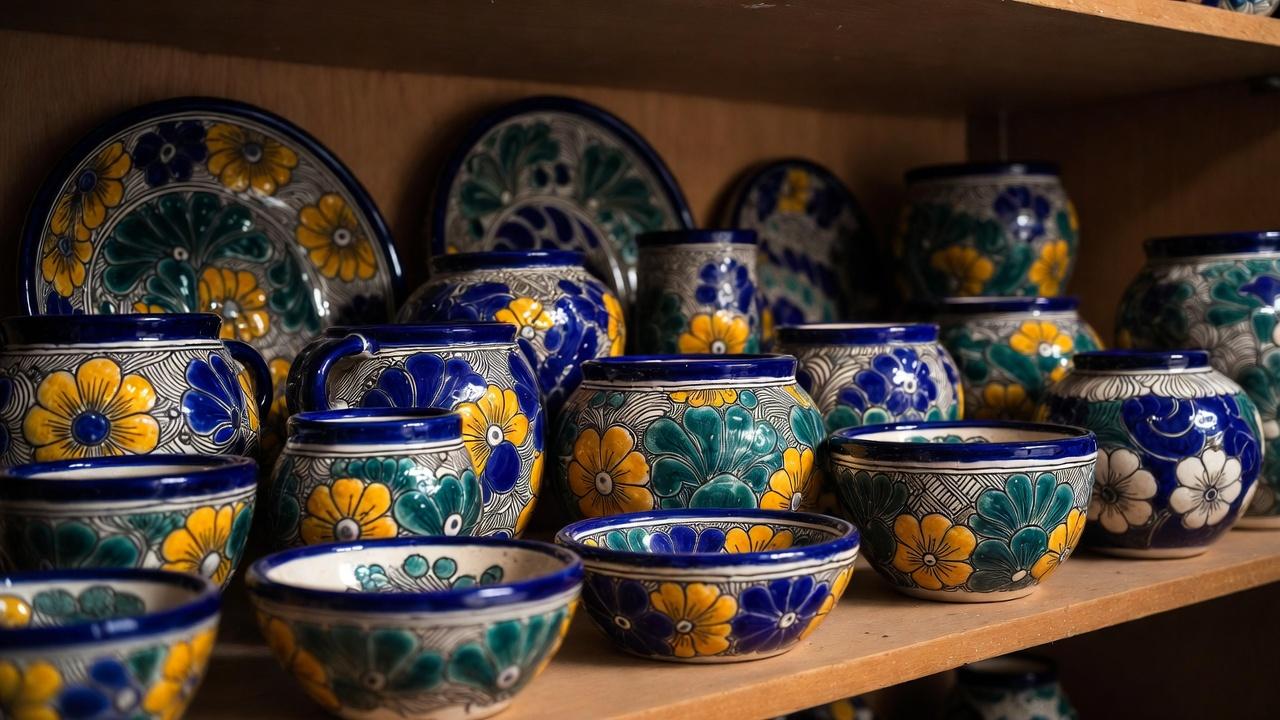
Must SeePlates 100–400 MXN, mugs 50–150 MXN, large platters 500–2,000 MXN. Quality varies wildly — hold pieces to the light to check for even glaze thickness. The best ceramics come from family workshops along the side streets of the tianguis. Look for hand-painted (slightly imperfect) rather than screen-printed (perfectly uniform).
Papier-Mâché Figures
Worth ItAlebrijes (fantastical painted animals), skeletons, decorative figures. Small pieces 100–500 MXN, large showpieces 1,000–3,000 MXN. Quality ranges from tourist-grade to museum-worthy. The more intricate the painting, the more valuable. These are lightweight and pack easily — excellent gifts.
Equipale Leather Furniture
OptionalPigskin-and-wood furniture (chairs, tables, barrel seats) made in Tonalá workshops. Distinctive style, surprisingly comfortable. Only practical if you can ship or drive them home. Workshops on Av. Tonaltecas will arrange shipping to the US (costs vary, 2–4 weeks).
The Workshop Experience
The real magic of Tonalá isn't the market stalls — it's the family workshops behind them. Several generational artisan families open their workshops to visitors, especially on market days. You can watch glass being blown, pottery being painted, and papier-mâché being sculpted in real time.
Frequently Asked Questions
The big tianguis (street market) is Thursday and Sunday only. Permanent shops and some workshops are open daily but with a fraction of the selection. Thursday is the artisan-focused day; Sunday is bigger but more mixed.
Different purposes. Tonalá for lower prices, raw market energy, workshop visits, and bulk buying. Tlaquepaque for curated galleries, El Parián mariachi, and a more polished browsing experience. Serious craft buyers should do both.
2-3 hours covers the main market and 1-2 workshop visits. Serious shoppers can spend 4-5 hours. The market winds down after 2pm, so morning is best.
Yes during market hours. Standard market precautions: phone in front pocket, cash in multiple pockets, watch for pickpockets in dense crowds. The market is well-attended by local police.
Larger workshops and furniture makers arrange shipping to the US and Canada (cost varies by size and weight, typically 2-4 weeks). For smaller items, pack them in your suitcase — vendors will bubble-wrap for you.
Read the 3-Day Itinerary
Our most popular guide — the best of Guadalajara in 3 days, with a Tequila day trip.
Read the guide →